

OVERVIEW
A vaginal yeast infection is a fungal infection that causes irritating, discharge and intense itchiness of the Vaginal and vulva ( the tissue at the vaginal opening)
Vaginal yeast infection affects up to 3 out of 4 women at some point in their lifetimes. Many women experience at least two episodes.
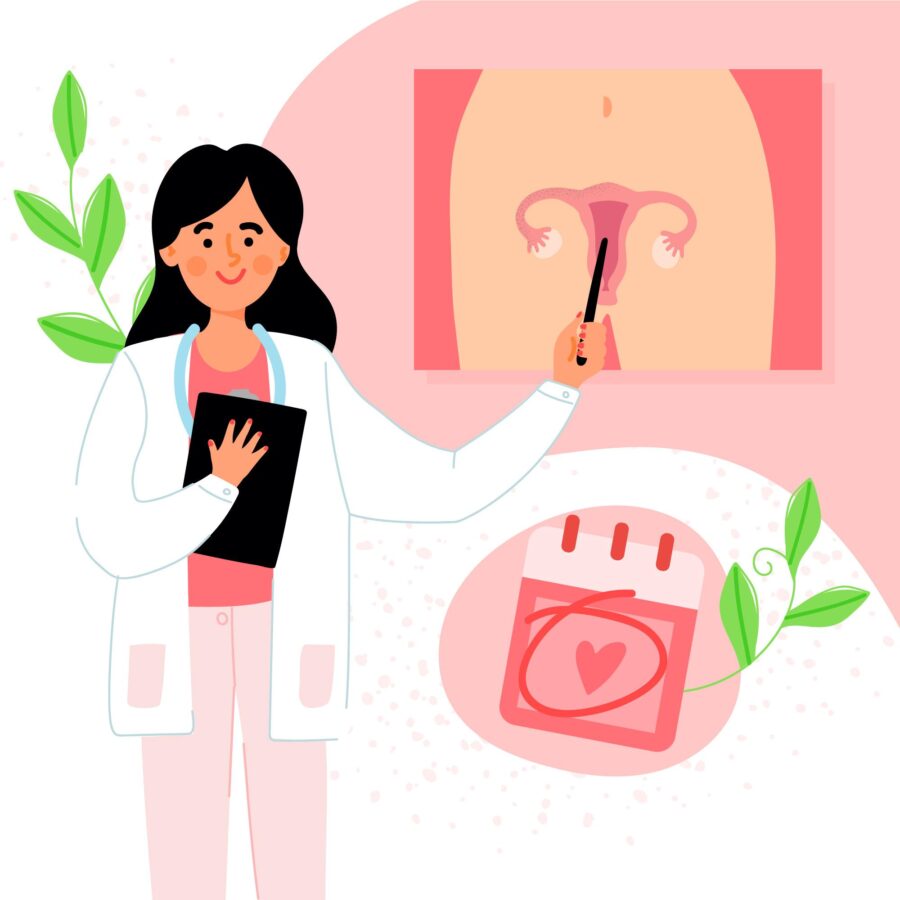
What is vaginal yeast infections ?
A vaginal yeast infections, also known Vaginal candidiasis is common fungal infection caused by an overgrowth of Candida yeast ,typically candida albicans, in vaginal area .This imbalance can lead to symptoms such as itching, irritation, swelling and thick, white discharge.
Click here to read in Hindi
Table of Contents
A vaginal yeast infection isn’t considered a sexually transmitted infection. but there’s also some evidence that infections may be linked to mouth to genital contact (oral – genital sex). Medication can effectively treat vaginal yeast infection.
NOTE: If you have recurrent yeast infections – four or more within a year you may need a longer treatment course and a maintenance plan.
SYMPTOMS
- Yeast infection syndrome can range from mild to moderate and include:
- Itching and irritation in the vagina and vulva .
- A burning sensation, especially during intercourse or while urinating redness and swelling of the vulva.
- Vaginal pain and soreness.
- Vaginal rash.
- Thick, white ,odor-free vaginal discharge with a cottage cheese appearance Watery vaginal discharge
Complicated yeast infection
You have a complicated yeast infection if:
- You have severe sign and symptoms such as extensive redness, swelling and itching that leads to tears ,cracks or sores.
- You have infection is caused by a less typical type of fungus.
- You’re pregnant.
- You have uncontrolled diabetes.
- Your immune system is weakened Because of certain medications or condition such as HIV infection.
Causes of yeast infection
The fungus Candida albicans is responsible for most vaginal yeast infections.
Certain bacteria (lactobacillus) act to prevent an overgrowth of yeast.But that balance can be disrupted.
An overgrowth of candida or penetration of the fungus into deeper vaginal cell layers causes the signs and symptoms of a yeast infections.
Your vagina naturally contain a balanced mix of yeast, including candida and bacteria.
Overgrowth of yeast can result from:
- Pregnancy
- Antibiotics use: which causes an imbalance in natural vaginal flora.
- Uncontrollable diabetes.
- An impaired immune system
- Taking oral contraceptives or hormone therapy : that increase estrogen levels Candida albicans is the most common type of fungus to cause Yeast infections.
- Yeast infection caused by other types of candida fungus can be more difficult to treat,and generally need more – aggressive therapies.
Prevention
To reduce your risk of vaginal yeast infection, wear underwear that has a cotton crotch and doesn’t fit too tightly.
It might also help to avoid:
- Tight – fitting pantyhose.
- Douching ,which removes some of the normal bacteria in the vagina that protect you from infection.
- Scented feminine products, including bubble bath, pads and tampons.
- Avoids hot tubs and very hot baths.
- Unnecessary antibiotic use, such as for colds or others viral infections.
- Staying in wet clothes, such as swimsuits and workout attire, for long periods of time.
